Cueing with Confidence: Sanskrit Pronunciation of 10 Basic Yoga Postures
With a simple foundational understanding of Sanskrit sounds, teachers can approach āsana names with ease and bring greater depth and intention to their own teaching.
Learning to pronounce the Sanskrit names of common yoga postures (āsana-s) gives yoga teachers greater confidence, clarity, and authenticity when guiding students. Striving for correct pronunciation honors the language and tradition from which yoga arose out of, while helping teachers communicate postures to students in a consistent way. It has a ripple effect when students are exposed to correct pronunciation, they too feel empowered.
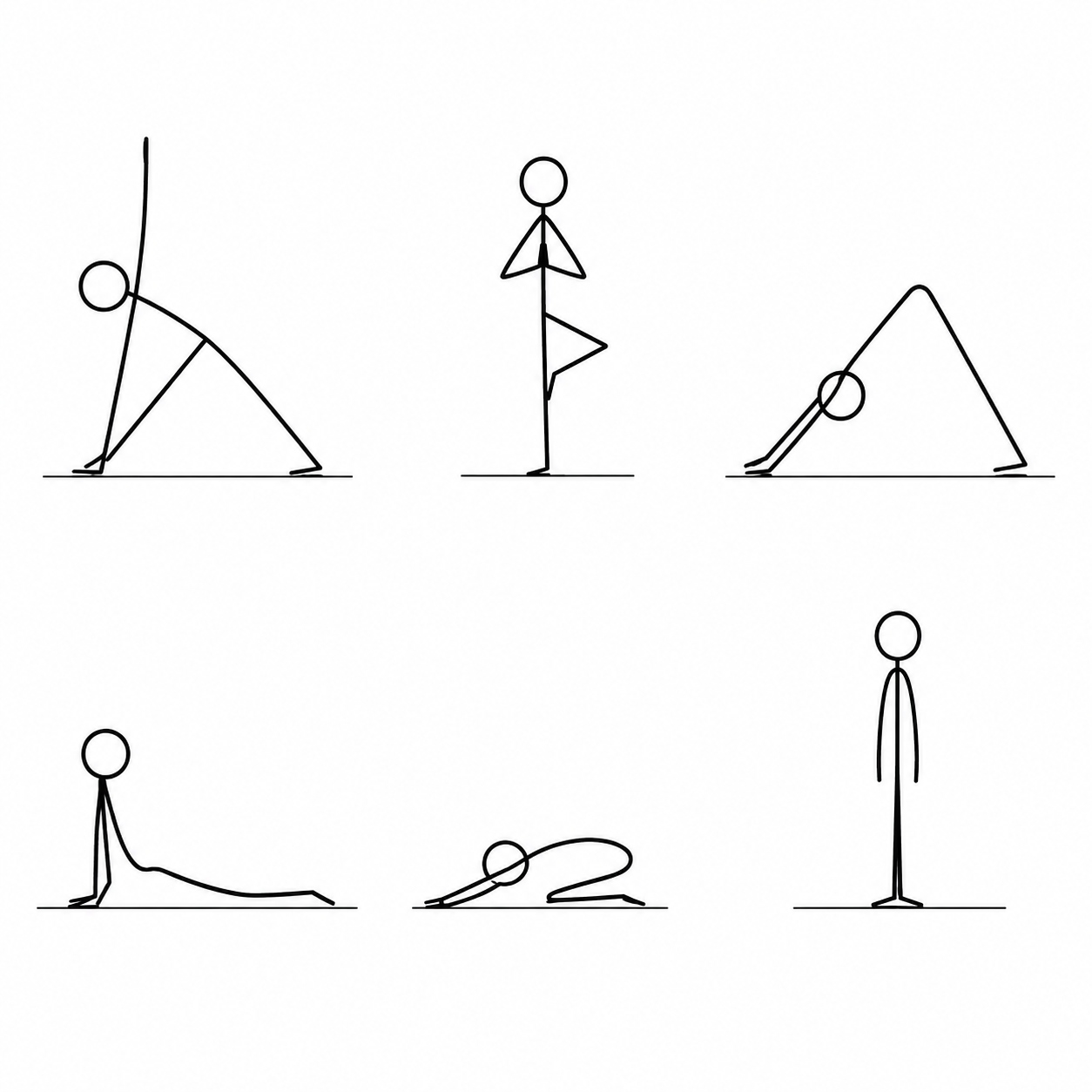
Featured in this visual-audio guide are 10 common yoga poses that can be tricky to pronounce. You’ll find the english translation or common name, along with the IAST diacritical transliteration as well as the word presented in Devanāgarī (the written script of Sanskrit, its word meaning “script of the Gods”) in addition to recorded audio of the Sanskrit pronunciation of each yoga posture. Most Sanskrit posture names are compound words combined into one word. To ease understanding, each word is broken down into its parts, presented with word-by-word translations. To take things a step further, the sound combining rules of each compound are laid out.
TADASANA — Mountain Pose “standing”

Sanskrit: tāḍāsana (ताडासन)
tāḍa (ताड) = mountain
āsana (आसन) = posture / seat
Sandhi: tāḍa + āsana → ā + ā = ā (Savarna Dīrgha Sandhi)
SHAVASANA — Corpse Pose
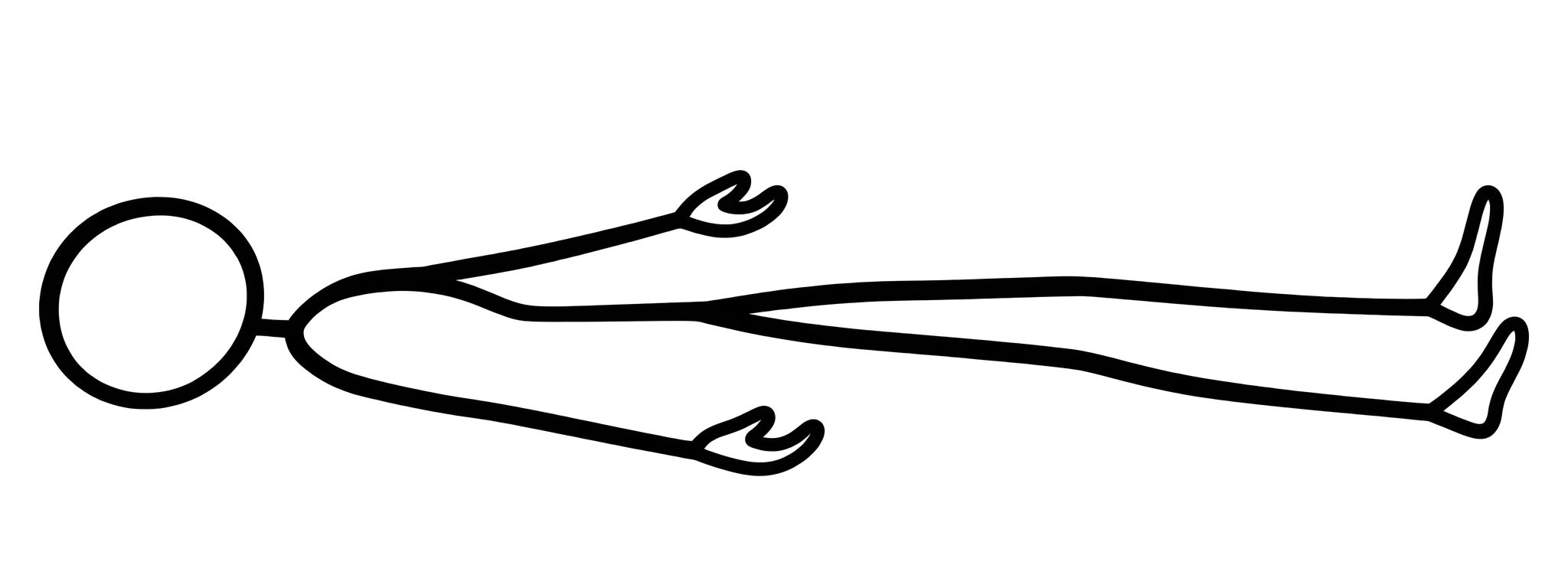
Sanskrit: śavāsana (शवासन)
śava (शव) = corpse
āsana (आसन) = posture / seat
Sandhi: śava + āsana → a + ā = ā (Savarna Dīrgha Sandhi)
CHATURANGA DANDASANA — Four-Limbed Staff Pose “plank”

Sanskrit: caturaṅgadaṇḍāsana (चतुरङ्गदण्डासन)
catur (चतुर्) = four
aṅga (अङ्ग) = limb / part
daṇḍa (दण्ड) = staff / stick
āsana (आसन) = posture / seat
Sandhi:
catur + aṅga → The final r merges naturally with the vowel a to form caturaṅga
daṇḍa + āsana → a + ā = ā (Savarna Dīrgha Sandhi → daṇḍāsana)
BALASANA — Child's Pose

Sanskrit: bālāsana (बालासन)
bāla (बाल) = child
āsana (आसन) = posture / seat
Sandhi: bāla + āsana → a + ā = ā (Savarna Dīrgha Sandhi)
BHUJANGASANA — Cobra Pose

Sanskrit: bhujaṅgāsana (भुजङ्गासन)
bhuja (भुज / भुजम्) = curve or bend / arm
ga (ग) = to go or move
aṅga (अङ्ग) = limb / appendage
āsana (आसन) = posture / seat
Sandhi:
bhuj + aṅga merges into the nominal base bhujaṅga (serpent);
alternative combination can be made through bhujam + ga (ग); a root meaning “to move or go”
bhujaṅga + āsana → a + ā = ā (Savarna Dīrgha Sandhi)
ADHO MUKHA SHVANASANA — Downward-Facing Dog

Sanskrit: adhomukhaśvānāsana (अधोमुखश्वानासन)
adhas (अधस्) = down / downward
mukha (मुख) = face
śvāna (श्वान) = dog
āsana (आसन) = posture / seat
Sandhi:
adhas + mukha → The final s of adhas changes to o when followed by a voiced consonant like m (Visarga Sandhi → adhomukha)
śvāna + āsana → a + ā = ā (Savarna Dīrgha Sandhi → śvānāsana)
VRIKSHASANA — Tree Pose

Sanskrit: vṛkṣāsana ( वृक्षासन)
vṛkṣa (वृक्ष) = tree
āsana (आसन) = posture / seat
Sandhi: vṛkṣa + āsana → a + ā = ā (Savarna Dīrgha Sandhi)
TRIKONASANA — Triangle Pose

Sanskrit: trikoṇāsana (त्रिकोणासन)
tri (त्रि) = three
koṇa (कोण) = angle
āsana (आसन) = posture / seat
Sandhi:
tri + koṇa combine to create a compound prefix (trikoṇa = triangle)
trikoṇa + āsana → a + ā = ā (Savarna Dīrgha Sandhi)
UTKATASANA — Chair / Fierce Pose

Sanskrit: utkaṭāsana (उत्कटासन)
utkaṭa (उत्कट) = fierce, intense, or proud
āsana (आसन) = posture / seat
Sandhi: utkaṭa + āsana → a + ā = ā (Savarna Dīrgha Sandhi)
PASCHIMOTTANASANA — Intense Stretch/ Seated Forward Bend

Sanskrit: paścimottānāsana (पश्चिमोत्तानासन)
paścima (पश्चिम) = west / back of the body
uttāna (उत्तान) = intense stretch
āsana (आसन) = posture / seat
Sandhi:
paścima + uttāna → a + u = o (Guṇa Sandhi → paścimottāna)
paścimottāna + āsana → a + ā = ā (Savarna Dīrgha Sandhi)
What āsana names do you want to learn how to pronounce?
Drop the yoga pose in the comments at the end of the page.
Seeking to go beyond the āsana names? If you’re curious about Sanskrit and want to understand why these sounds are pronounced the way they are, join an upcoming course or event and become part of the Sanskrit Sangha, led by Joli @dailyritualyoga. Go deeper into the entire Sanskrit alphabet, exploring each sound through a blend of science, embodied experience and music theory. With Joli, you’ll not only learn how to pronounce Sanskrit, but you’ll learn how the sounds are formed, felt, and experienced in the body.